
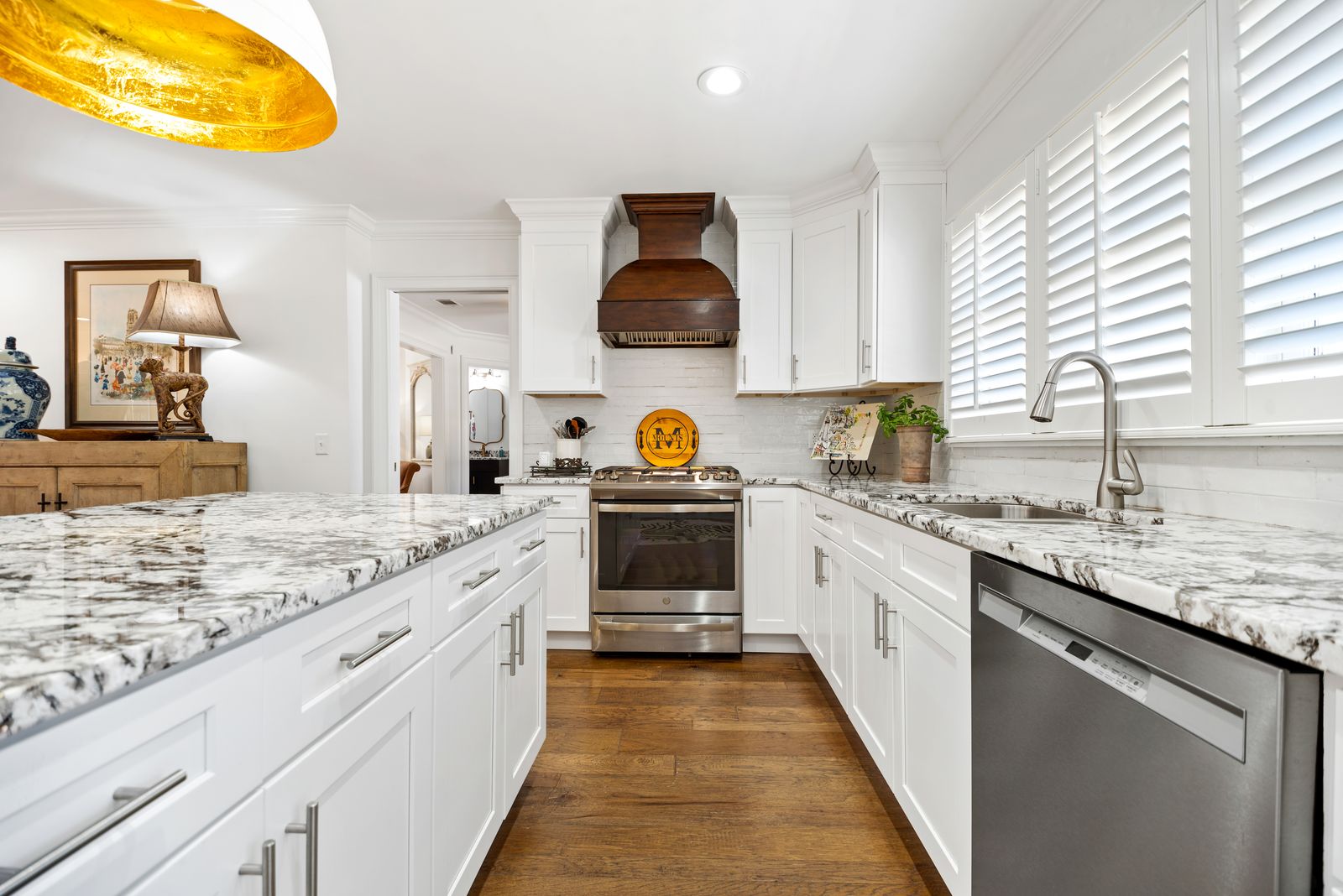
AI editing tools have made it easy to swap a gray sky for a blue one, drop furniture into an empty room or turn a daytime exterior into a twilight shot. What hasn’t kept up is disclosure, and buyers are starting to notice.
What the data shows
In its September 30 Tech Roundup, Inman covered research from Coraly.ai, which looked at nearly 40,000 primary listing photos on Zillow, Redfin, Realtor.com and Homes.com from the first quarter of 2026:
- About 11% of listings used an AI-edited primary photo.
- More than 90% of those AI-altered photos didn’t tell buyers or renters that AI was used.
- Rates ranged from 8.7% on Realtor.com to 12.4% on Homes.com.
- Sky replacement was by far the most common edit, showing up in 69% of altered images.
Buyers have a word for it now
A September 8 RealEstateNews article describes buyers using the term “housefished” for listings that look very different in person. The same piece rounds up where the industry and lawmakers are landing:
- NAR points to its Code of Ethics, which requires a “true picture” in advertising. RealEstateNews reports that an August NAR blog post said AI should be used to “show possibilities” in a home, “not rewrite reality.”
- Zillow said in a July blog post that listing photos must accurately represent the home, and that it supports disclosing AI edits and showing the original photo alongside the altered one when possible.
- California’s AB 723, in effect since January, requires agents to disclose digitally altered images in sale listings and provide a link to the original.
- Wisconsin’s Act 69 takes effect at the start of 2027 and requires disclosure when technology materially alters how a property looks in marketing images. New Jersey is considering its own legislation.
Where Georgia stands
Georgia does not currently have a state statute that specifically requires disclosing AI-edited or digitally altered listing photos the way California does. That does not mean anything goes.
Local agents still have to present ads honestly under Georgia Real Estate Commission advertising rules (Rule 520-1-.09) and Georgia’s unfair-trade-practice statute (O.C.G.A. § 43-40-25). REALTOR® members are also bound by NAR’s “true picture” standard. On top of that, your MLS sets photo rules:
- GAMLS (common in metro Atlanta) expects virtually staged photos to be called out in the public remarks, with the original room photo next to the staged one, and a before/after collage when the primary photo is staged. Watermarks and text overlays on the image itself are not allowed.
- FMLS bars photo alterations that misrepresent the property, and also bars text overlays on listing photos.
Coastal Georgia agents should check whichever MLS they use (including Savannah and Hilton Head area boards) for the current photo and remarks rules, because those change more often than state law.
Why it matters for your listings
Even without a Georgia AI-photo statute, the national direction is clear, and a buyer who feels misled at the front door is a bad start to any showing. Here’s a simple way to stay on the right side of it:
- Know what was edited. Basic exposure and color correction is normal photo editing. Virtual staging, virtual twilight, sky replacement and object removal go further. If you’re not sure which of your photos fall into which bucket, ask your photographer. Any of us should be able to tell you.
- Label it. Add “Virtually staged” or “Digitally altered” in the photo caption or description for any image that goes beyond basic editing, and follow your MLS remarks rules.
- Keep the original handy. Hold on to the unedited version, and include it in the listing when your MLS requires it or when the edit is significant.
- Never change the house itself. Furniture and décor can be virtual. Walls, floors, fixtures, views, landscaping and defects can’t be added, removed or hidden.
- Check your MLS rules. Photo rules vary by MLS and change over time, so confirm what yours requires for labeling and before-and-after photos.
How Premier Home Shots helps
When we deliver your gallery, every image stays in your delivery link. If you hide a photo you don’t need to show (including an original you want off the public set), it stays hidden from the buyer-facing view but remains available in that same link forever. You can come back later and pull the original if an MLS, a buyer or a compliance question ever asks for it. That gives you a simple way to keep originals on hand without juggling separate folders.
Done right, virtual staging and twilight edits are still great tools. They just work best when nobody is surprised.
Sources: Inman, “Tech Roundup: Most AI-edited listing photos go undisclosed”, September 30, 2026; RealEstateNews, “AI-modified listing photos blur line between enhancement, deception”, September 8, 2026.