
If you’ve seen headlines about a new FAA drone rule, here’s the short version: it’s a big deal for the drone industry, and for a typical listing shoot it changes nothing.
What’s happening
The rule is called Part 108, and it’s meant to make beyond visual line of sight (BVLOS) flights routine. That means drones flying farther than the pilot can see, for things like deliveries, pipeline and power line inspections, farming and large-area mapping. Right now those flights generally need a waiver that’s negotiated case by case.
At Commercial UAV Expo in Las Vegas in early September, the FAA’s Robert Reckert said the agency is “very confident” in the rule and is “hoping that we’ll see that rule published by the end of the calendar year,” Commercial UAV News reported on September 11. The Flight Brief reported on September 14 that the rule is at the White House Office of Information and Regulatory Affairs, the last review step before publication, after the FAA worked through roughly 4,000 public comments.
So it isn’t final yet, and the final version may differ from what was proposed.
Why it matters for your listings
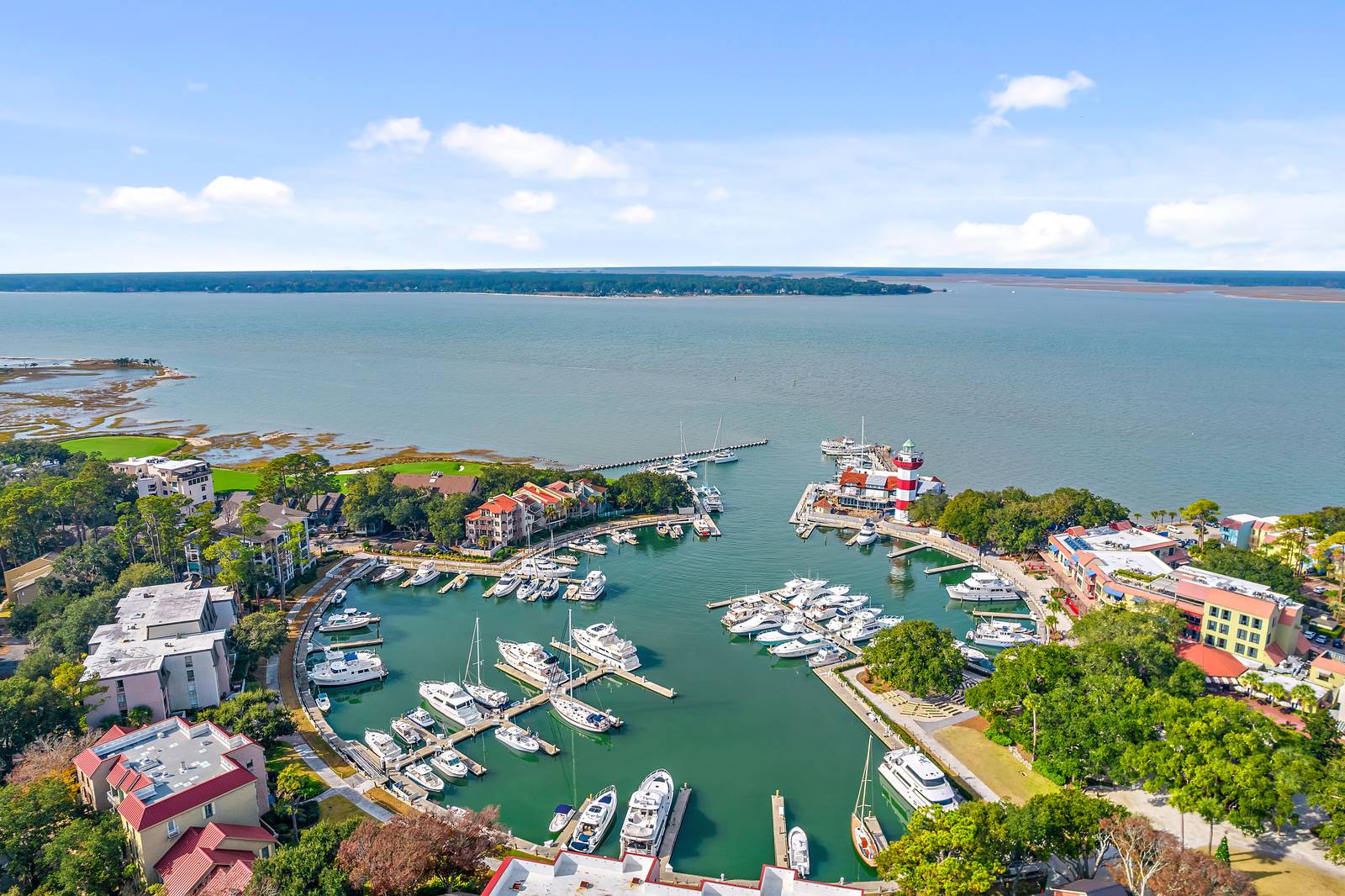
For a normal listing, nothing changes. Listing aerials are flown right over the property with the drone in sight the whole time. That falls under the FAA’s existing small-drone rules, Part 107, which require the pilot (or a visual observer) to keep the drone within visual line of sight. Part 108 is aimed at a different kind of flying.
Where it could matter down the road is large land listings, new communities and developments, where flying a long route without repositioning would help. We’ll know more once the final rule is published.
How Premier flies listing aerials
Premier Home Shots requires every drone pilot who flies for us to hold a current FAA Part 107 remote pilot certificate. Commercial drone work requires one, and we don’t treat that as optional. Our pilots also carry liability coverage for drone work and check airspace ahead of time. Parts of our service area sit in controlled airspace around airports like Savannah/Hilton Head International and Hunter Army Airfield, so authorization is handled before the shoot when the address needs it.
When you hire anyone else to fly a listing, the same quick checklist applies:
- Ask for their Part 107 certificate. Commercial drone work requires one.
- Ask about insurance. Make sure they carry liability coverage for drone work.
- Ask about airspace. Confirm they’ve checked whether the address needs FAA authorization.
Sources: Commercial UAV News, “Commercial UAV Expo and the Internationalization of Uncrewed Aviation”, September 11, 2026; The Flight Brief, “Part 108 Nears Publication, FAA Says”, September 14, 2026; eCFR, 14 CFR 107.31.